
I have spent more than fourteen years working as a certified arborist and landscape tree maintenance specialist across eastern South Dakota. Much of my work has involved residential tree preservation, storm damage cleanup, and seasonal pruning strategies that help trees survive the region’s unpredictable weather shifts. Over the years I have collaborated with Sioux Falls Tree Service on several neighborhood property maintenance projects, and that experience shaped how I approach tree health management in this area.
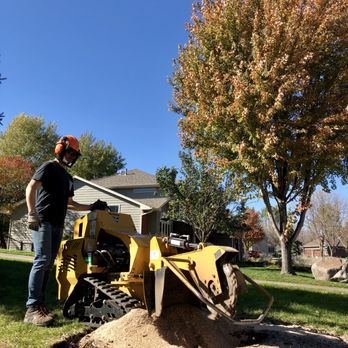
The climate around Sioux Falls presents a unique challenge for tree care. Summers can be hot and dry for long stretches, while winters bring heavy wind exposure and freezing stress that affects bark and branch structure. I remember working on a residential property north of the city where several mature cottonwood trees had started dropping large branches after a particularly harsh winter. The homeowner originally thought the trees were simply aging, but during inspection I found that small interior cracks had developed where wind pressure repeatedly forced the limbs to flex. We scheduled careful structural pruning rather than aggressive cutting. Within the following season, the trees looked healthier, and the risk of sudden branch failure was significantly reduced.
One lesson I share with property owners is that tree maintenance is not about removing as much growth as possible. Many homeowners come to me believing that heavy pruning will make trees stronger, but excessive cutting can actually trigger stress responses. A customer last spring wanted to trim several mature elm trees because he was worried about leaf clutter near his driveway. When I inspected the trees, I recommended removing only the deadwood and thinning interior branches slightly rather than reshaping the canopy. He later told me that the trees continued producing healthy foliage while the yard stayed much cleaner during the growing season.
Storm preparation is another major concern in this region. I have worked after windstorms where poorly maintained trees caused damage to nearby fencing and garage roofs. One particular situation stands out. A family contacted me after a summer thunderstorm had split a large maple branch that was hanging partially over their home. Instead of removing the entire tree, which the homeowner initially requested, we performed controlled cabling support and removed the structurally compromised section. That approach saved the tree while eliminating the immediate safety risk. I usually advise property owners to inspect large mature trees annually rather than waiting until visible damage appears.
Working with local tree care crews has shown me how equipment quality and technical skill matter just as much as physical labor. I have seen cases where inexperienced trimming crews used improper angle cuts that left bark tearing along the branch collar. Those wounds sometimes take years to heal and can invite fungal infection or insect infestation. Professional arboriculture practice focuses on making clean directional cuts that allow natural healing processes to begin immediately after pruning.
Soil condition around Sioux Falls homes also influences tree health more than many people expect. Compact soil near construction areas restricts root oxygen flow, which slowly weakens tree stability. I once examined a property where a young oak tree was struggling despite receiving regular watering. The problem turned out to be compacted soil caused by repeated vehicle parking near the root zone. After aeration treatment and soil conditioning, new root growth became visible within a few months.
I often recommend preventative maintenance rather than emergency tree removal. Removing a mature tree can cost several thousand dollars depending on height, access difficulty, and debris hauling requirements. More importantly, mature trees contribute to property shade, wind protection, and neighborhood aesthetics. When possible, preservation work is my preferred first option.
What I appreciate about working with regional tree service professionals is the attention given to long-term plant stability. Proper tree care is not about making trees look neat for one season; it is about helping them survive decades of weather pressure, growth cycles, and soil changes. In the Sioux Falls area, I have learned that consistent monitoring, moderate pruning, and storm readiness planning make a real difference.
Homeowners sometimes try to handle tree trimming themselves, especially during summer months. I advise against climbing large trees without proper training and safety equipment. I have responded to several calls where individuals injured themselves trying to remove branches using unstable ladders. Professional tree service teams have specialized tools and safety protocols that reduce those risks significantly.
After years working with properties across the region, I have come to value patient, careful tree management over aggressive intervention. Healthy trees are long-term investments in a home’s environment, and maintaining them properly is far easier than attempting restoration after serious damage has already occurred.