
I run a small tree service business in the Macedon area, and over the years I have worked on everything from towering gums near old homes to ornamental trees planted only a few metres from sheds. Most people call me hoping to save a tree, and I respect that. I feel the same way myself. Still, after seeing what neglect, storms, and poor planting choices can do, I have learned that removal is sometimes the safest and most practical option.
How I Decide Whether a Tree Should Stay or Go
I rarely arrive at a property expecting to remove a tree straight away. My first job is to look at the tree's condition, the surrounding structures, and how much risk the owner is willing to accept. A healthy tree with a few damaged limbs can often be pruned and monitored for years.
There are signs I never ignore. Large cavities in the trunk, fungal growth around the base, or heavy leaning after a storm can point to structural weakness. I once inspected a gum tree that looked perfectly fine from the road, but the inside of the trunk had decayed so badly that I could push a screwdriver several inches into the wood.
Age alone does not decide anything. I have worked on trees that were estimated to be more than 80 years old and still structurally sound. On the other hand, I have removed younger trees that developed poor branch attachments and became dangerous after only a couple of decades.
The location matters just as much as the tree itself. A tree growing five metres from a house carries a different level of risk than one standing in an open paddock. That difference shapes every recommendation I make.
What Homeowners Often Overlook Before Tree Removal
Most people focus on the visible part of the job. They think about the chainsaws, the noise, or the amount of timber left behind. I spend more time thinking about access points, underground services, neighbouring fences, and how a falling branch could behave if the wind changes unexpectedly.
Planning saves trouble later. I usually walk around the site several times before making the first cut because I want to picture every stage of the removal. A few extra minutes at the start can prevent hours of problems.
I often tell people to speak with an experienced local company before making any decision. A good place to start is reviewing services related to tree removal Macedon so you can understand how professionals approach safety, equipment, and property protection. Seeing the process laid out clearly helps many homeowners feel less anxious about the work.
A customer last spring delayed removing a damaged tree because she worried her garden would look empty afterwards. The tree eventually dropped a heavy limb during strong winds and crushed part of her pergola. Repairs cost several thousand dollars, and she later told me she wished she had acted sooner.
Every site is different. Some removals take half a day, while others require cranes, rigging systems, and careful dismantling over many hours. That uncertainty is why I avoid giving quick answers without seeing the property first.
The Most Challenging Removals I Have Handled
Some trees leave no room for error. I have removed trees wedged between garages and fences where each section had to be lowered by rope because there was nowhere safe to let branches fall naturally. Those jobs are mentally exhausting, even after years of experience.
Weather adds another layer of difficulty. Macedon can experience strong winds and sudden changes in conditions, especially during storm season. If I think gusts are becoming unpredictable, I stop work and return another day. Safety always comes first.
One removal still sticks in my mind. A large tree had split near the main trunk after heavy rain, leaving one side hanging over a driveway. The owner wanted it removed immediately, but I spent nearly an hour setting ropes and checking anchor points because rushing would have increased the danger for everyone involved.
Patience matters more than speed. I have seen crews finish quickly, but I care more about finishing safely and leaving the property in good condition. That approach has served me well over the years.
What Happens After the Tree Is Gone
People are often surprised by how different their yard feels after a large tree is removed. More sunlight reaches the ground, grass grows differently, and views that were hidden for years suddenly open up. The change can feel strange at first.
I usually encourage homeowners to think ahead before the work even begins. Some choose to plant a smaller species in a better location, while others use the extra space for gardens or outdoor seating areas. I have seen both choices work beautifully.
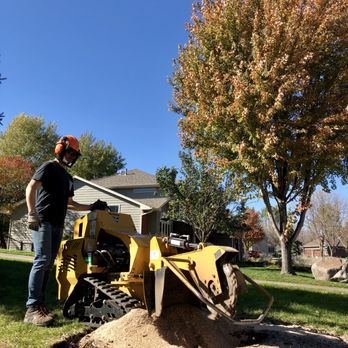
Stump removal is another topic that comes up often. Leaving the stump can be fine in some situations, but many owners prefer grinding it down so they can replant or level the area. A clean finish often makes the transition easier because the space feels ready for its next purpose.
Not everyone replaces the tree immediately. I know families who waited a year before deciding what they wanted, and that pause gave them time to understand how the space changed throughout different seasons. There is no rule that says you must rush the next step.
I still appreciate mature trees as much as I did when I first started working in this trade. Removing one is never something I treat casually. Yet I have seen enough damaged roofs, fallen limbs, and near misses to know that keeping a hazardous tree out of sentiment can create bigger problems later. My goal is always the same, which is helping people make a decision they can feel comfortable with long after the sawdust settles.
I have spent years on small tree crews around Bacchus Marsh, mostly working from backyards where the access is narrow, the fences are close, and someone is worried about a limb over the shed. I have hauled branches through side gates barely wider than a wheelbarrow and chipped gum limbs until the truck was full before lunch. Tree lopping is not a word I use lightly, because rough cutting can leave a tree worse than it was. I treat it as controlled reduction work, done only after I have looked at the tree, the site, and the reason for the cut.
Reading the Tree Before I Touch a Saw
The first thing I do is stand back for a few minutes. I look at the lean, the weight in the canopy, the deadwood, and the way the branches have grown toward light or away from wind. A red gum beside an old driveway does not behave like an ornamental pear near a patio. Even two trees of the same species can need different cuts if one has been stressed for 5 dry summers.
I once visited a home near the edge of town where the owner wanted half the canopy taken off a large tree because leaves kept filling the gutters. I could see why he was frustrated, but the tree had already been cut hard years earlier, and more heavy lopping would have made the regrowth weak. I suggested a lighter crown reduction and gutter guards instead. Small changes can save a tree.
There is a real difference between cutting for clearance and cutting because the tree looks too big. I am comfortable removing weight from a limb over a roof, especially if the branch has included bark or a split starting near the union. I am much slower to take big upright stems off just to make a tree shorter. Once a tree is shocked into pushing fast regrowth, the next 2 or 3 seasons can bring more problems than the original canopy ever caused.
Why Bacchus Marsh Jobs Need Local Judgment
Bacchus Marsh has a mix of older homes, newer estates, creek-side blocks, and rural edges, so the same cutting plan rarely suits every yard. I have worked on blocks where a single branch drop could damage 3 fences, a rainwater tank, and a clothesline in one go. On wider properties, the challenge is often different, because wind exposure and dry ground can put more stress on mature limbs. That is why I measure the job by risk, not by how dramatic the finished tree looks.
For homeowners who want a local crew to compare notes with, I sometimes point them toward services like tree lopping Bacchus Marsh because local experience matters on these blocks. A crew that works in the area will usually understand the awkward access, the common tree species, and the kind of weather that rolls through after a hot spell. I still tell people to ask clear questions before booking anyone, especially about how much live canopy they plan to remove.
One customer last spring had a gum leaning toward a garage, and the worry was fair because one limb had already dropped after a windy night. I climbed the tree and found the main structure was still sound, but the outer limbs were stretched too far over the roofline. We took weight off in stages, kept the cuts smaller than a dinner plate where possible, and lowered 7 larger pieces by rope. The job looked less dramatic from the street, which was exactly the point.
What I Refuse to Do on a Healthy Tree
I have walked away from jobs where the request was to cut a healthy tree into a stump with a few arms sticking out. That sort of lopping might make the yard brighter for a month, but it often creates weak shoots that grow fast and attach poorly. A tree can survive a hard cut and still become less safe over time. Survival is not the same as good structure.
My rule is simple. I do not remove more live canopy than the tree can reasonably handle unless there is a safety reason or the tree is coming down entirely. For many mature trees, that means staying far below the kind of heavy cut some people imagine when they hear the word lopping. If the client needs solar clearance, roof clearance, or more light for a small garden bed, I look for targeted cuts first.
I also avoid flush cuts, torn collars, and topping cuts that leave big open wounds in the wrong place. A clean pruning cut just outside the branch collar gives the tree a better chance to seal the wound over time. I keep sharp handsaws in the truck for smaller finishing cuts because a chainsaw is not always the neatest tool near a branch union. On a tight job, those last 10 minutes can matter more than the loud cutting everyone notices.
The Gear and Setup Matter More Than People Think
Good tree work starts on the ground before anyone climbs. I set drop zones, move pot plants, check for low wires, and decide where the chipper can sit without blocking the street for half the day. On one narrow driveway job, we shifted the truck twice because the first position left only a small escape path for the ground crew. That kind of detail sounds boring until a limb swings the wrong way.
For controlled lopping or reduction work, I often use ropes, pulleys, slings, wedges, a pole saw, and a smaller top-handle saw in the canopy. Bigger saws have their place, but they can be clumsy in tight branches. If a branch is over a pergola, I would rather lower it in 4 manageable pieces than gamble on one heavy drop. The slower method usually saves money because nothing gets broken.
I also watch the weather more closely than many homeowners expect. A still morning can turn gusty by mid-afternoon, and a lifted limb behaves differently once the wind gets under it. If the job involves a tall tree on an exposed block, I would rather start early and leave the final cleanup for later than climb during rough gusts. Pride has no place on a rope.
How I Talk Through Cost, Timing, and Mess
Most people ask about price before they ask about method, and I understand why. Tree work can cost several hundred dollars for a small clearance job or several thousand dollars for complex removal, depending on access, height, waste, risk, and time on site. I try to explain what the price covers, because a cheap quote can become expensive if the crew leaves a pile of heavy timber behind. Chipping, traffic control, stump work, and hand-carrying all change the final number.
I also tell people what the yard will look like during the work. For a few hours, it may look worse before it gets better, with ropes on the lawn, sawdust near the trunk, and branches stacked in sections. I ask owners to move cars, unlock gates, and keep pets inside before we start. One loose dog can stop a 4-person crew faster than a blunt chain.
Timing depends on the tree and the reason for the cut. If a limb is cracked over a bedroom, I treat it as urgent and make the area safe first. If the goal is shade control or clearance from a fence, I may suggest waiting for a better season or doing the work in stages. A staged cut over 12 months can be kinder to the tree than one heavy hit on a hot afternoon.
Tree lopping around Bacchus Marsh should never be treated as casual cutting just because the tree has become inconvenient. I have seen careful reduction solve real problems, and I have seen rough cuts create years of weak regrowth, decay, and repeat callouts. My best advice is to ask what each cut is meant to achieve before the saw starts. If the answer is clear, the tree, the property, and the person paying the bill usually end up better off.
As a landscaping professional with over a decade of experience, I’ve seen firsthand how thoughtful planning and practical expertise can completely transform a property. That’s why I was impressed when I first worked with Landscaping Design Vancouver on a client’s home. Their team combines design creativity with hands-on knowledge of plant selection, soil conditions, and drainage, which are areas I’ve learned can make or break a project. In my experience, these are the details that separate a garden that thrives from one that struggles after just a few seasons.
One project I remember involved a family whose backyard was uneven and prone to pooling water. They wanted an outdoor space that felt open and functional without constant maintenance. Landscaping Design Vancouver suggested regrading sections of the yard, replacing water-sensitive plants with hardier species, and installing a discreet drainage solution. By the end of the project, the yard had transformed into a lush, usable space. Seeing the clients enjoying their new backyard reminded me how crucial proper planning is before any planting begins.
Another example comes from a townhouse courtyard that had minimal sunlight and tight dimensions. The client hoped for a relaxing retreat but feared the small space would feel cluttered. The team evaluated sunlight, soil type, and long-term maintenance needs before creating a layered design with compact, low-maintenance plants, modular seating, and subtle lighting. Watching the courtyard evolve into a cozy oasis confirmed for me that even small, challenging areas can become remarkable when practical design and creativity are combined.
Finally, I’ve noticed many clients underestimate seasonal maintenance. Last spring, a homeowner wanted flowering shrubs and ornamental grasses that would provide interest throughout the year without demanding constant upkeep. Landscaping Design Vancouver recommended resilient, low-maintenance species and positioned them strategically to reduce watering and pruning. Months later, the client shared how easy it was to enjoy a thriving garden without feeling overwhelmed—something I’ve rarely seen achieved without careful planning.
From my perspective, working with Landscaping Design Vancouver shows that a successful outdoor project is not just about appearance. It requires experience, technical knowledge, and thoughtful design to create spaces that are functional, sustainable, and beautiful. Their approach consistently produces results that homeowners can enjoy for years.
When it comes to creating beautiful and functional outdoor spaces, East Valley Landscape Design has emerged as a leading name in the region. With a focus on both aesthetics and sustainability, this design company understands the unique climate and topography of Arizona’s East Valley, and tailors each project to enhance natural beauty while improving outdoor living. From lush gardens to desert-inspired hardscapes, East Valley Landscape Design brings creativity and precision to every yard they touch.
East Valley Landscape Design takes a client-centered approach, beginning each project with a detailed consultation to understand the homeowner's vision, lifestyle, and the specific challenges of their property. Whether it's a small residential backyard or a sprawling estate, the design process is customized to reflect the owner's personal taste while incorporating regionally appropriate plants and materials. This commitment to collaboration and local expertise is what sets East Valley Landscape Design apart from the competition.
One of the key strengths of East Valley Landscape Design lies in their ability to blend functionality with artistic vision. Clients often seek out their services to add outdoor kitchens, fire pits, pergolas, or water features that not only elevate the beauty of the space but also extend its usability throughout the year. East Valley Landscape Design takes pride in crafting spaces where form meets function, creating outdoor environments that are as livable as they are visually appealing.
In the East Valley, water conservation is a top priority, and East Valley Landscape Design has fully embraced xeriscaping and other eco-conscious practices. By choosing native plants, installing efficient irrigation systems, and incorporating drought-tolerant designs, they help homeowners reduce water usage without sacrificing beauty. This commitment to sustainability is a cornerstone of East Valley Landscape Design’s philosophy and has earned them recognition among environmentally-minded clients.
Materials selection is another area where East Valley Landscape Design shines. From natural stone pavers to rusted steel accents and decomposed granite paths, every material is chosen with durability, climate-resistance, and style in mind. These elements are then assembled by skilled craftsmen who bring the design to life with precision and care. The result is a landscape that not only looks stunning on day one but also stands the test of time—something East Valley Landscape Design guarantees with every project.
One of the most exciting trends in recent years has been the integration of smart technology in landscaping, and East Valley Landscape Design is at the forefront of this movement. From app-controlled lighting systems to weather-responsive irrigation, they offer innovative solutions that give homeowners greater control and efficiency. These smart landscapes, crafted by East Valley Landscape Design, reflect a modern approach to outdoor living that blends convenience with environmental responsibility.
The company’s portfolio speaks volumes about their range and versatility. East Valley Landscape Design has worked on everything from Mediterranean-inspired gardens to minimalist desert landscapes, modern patios to rustic retreats. This adaptability is driven by a team of designers and installers who stay up-to-date on both global trends and local best practices. No matter the style or size of the project, East Valley Landscape Design ensures a cohesive and elegant result.
Customer satisfaction is at the heart of East Valley Landscape Design’s mission. Reviews consistently highlight the team’s professionalism, attention to detail, and responsiveness. Many clients note how the team not only met but exceeded expectations, transforming their outdoor spaces into dream environments. The commitment to transparency, timely communication, and quality work is what keeps East Valley Landscape Design at the top of the industry.
Education also plays a role in the company’s philosophy. East Valley Landscape Design takes the time to educate homeowners about plant care, seasonal maintenance, and landscape longevity. This guidance helps clients protect their investment and ensures that the landscapes continue to thrive for years to come. By empowering homeowners with knowledge, East Valley Landscape Design strengthens its reputation as a trusted partner, not just a service provider.
Looking to the future, East Valley Landscape Design continues to expand its offerings and refine its techniques. New technologies, evolving design trends, and increasing environmental awareness are shaping the industry, and the company is eager to lead the way. With a strong foundation built on quality, innovation, and customer service, East Valley Landscape Design is poised to remain a key player in shaping the outdoor environments of Arizona's East Valley for decades to come.
In conclusion, for those seeking to elevate their outdoor living experience, East Valley Landscape Design provides not only expert craftsmanship but also thoughtful design tailored to the region’s unique environment. Whether the goal is to create a serene garden escape or a lively entertainment space, East Valley Landscape Design brings visions to life with integrity, creativity, and unmatched local expertise.
Franklin, Tennessee is known for its charming neighborhoods, scenic landscapes, and historic beauty. Trees play a significant role in maintaining this aesthetic and ecological balance. However, when trees become hazardous, diseased, or interfere with property development, professional intervention is necessary. That’s where Expert Tree Removal in Franklin becomes essential. Hiring certified tree removal specialists ensures safety, efficiency, and long-term peace of mind for homeowners and businesses alike.
Why Tree Removal Is Sometimes Necessary
Trees are valuable assets to any landscape, offering shade, beauty, and environmental benefits. Yet, there are situations where removing a tree becomes the best—or only—option. Here are common reasons for tree removal in Franklin:
-
Disease or Pest Infestation: Trees that are infected with fungi, beetles, or other pests can become unstable and spread disease to nearby vegetation.
-
Structural Damage: A leaning or splitting tree poses a safety hazard to buildings, vehicles, and people.
-
Storm Damage: Severe weather can cause significant structural weakening, making tree removal the safest option.
-
Construction Projects: New driveways, home expansions, or landscaping renovations may require tree removal for space and safety.
-
Overgrowth and Root Issues: Roots can disrupt plumbing, foundations, and sidewalks if left unmanaged.
Benefits of Hiring Expert Tree Removal Services
When it comes to expert tree removal in Franklin, hiring professionals offers numerous advantages over DIY attempts.
1. Safety and Insurance
Tree removal is a high-risk task involving heavy machinery, climbing, and falling debris. Trained professionals are equipped with the proper safety gear and insurance to protect both workers and your property. Attempting removal without proper experience can result in injury or costly damage.
2. Proper Equipment and Techniques
Certified arborists use specialized tools like cranes, stump grinders, and chainsaws to ensure precise and safe removal. Whether it’s a small ornamental tree or a towering oak, professional services can handle the job efficiently.
3. Stump Removal and Cleanup
One of the biggest advantages of expert tree removal in Franklin is the complete service package. This often includes stump grinding and removal, wood chipping, and thorough site cleanup. This leaves your yard safe, tidy, and ready for its next phase—whether that’s replanting or construction.
4. Local Expertise
Franklin’s soil composition, tree species, and weather patterns are unique. Local tree removal experts understand these conditions and can provide tailored solutions. They know how to manage native trees like oaks, maples, and pines in a way that protects the overall landscape.
Choosing the Right Tree Removal Company in Franklin
Not all tree services are created equal. When selecting a provider, look for these important factors:
-
Certification and Licensing: Ensure the company is certified by organizations such as the International Society of Arboriculture (ISA) and is properly licensed to work in Tennessee.
-
Insurance Coverage: Ask about liability and worker’s compensation insurance to protect your home and family.
-
Reputation and Reviews: Check online reviews, ask for references, and look at before-and-after photos of past jobs.
-
Free Estimates and Transparent Pricing: Trustworthy companies provide clear, itemized estimates without hidden fees.
-
Eco-Friendly Practices: Some companies offer sustainable options like tree recycling, mulching, or donation of usable wood.
Emergency Tree Removal Services
In the event of a storm or sudden tree failure, many companies offer 24/7 emergency tree removal in Franklin. This rapid response can prevent further damage to your property and restore safety quickly. Having a reliable local provider on call can make all the difference during a crisis.
Final Thoughts
Expert tree removal in Franklin is about more than just cutting down trees—it's about protecting property, ensuring safety, and enhancing the beauty of your landscape. Whether you need to remove a single tree or clear an entire lot, choosing experienced, licensed professionals guarantees the job is done right.
Don’t wait until a damaged tree becomes a hazard. Contact a trusted Franklin tree removal service to assess your needs and provide a safe, effective solution. With the right team on your side, you can enjoy a secure, beautiful yard all year round.
Blossom Landscaping is a premier landscaping service provider dedicated to transforming outdoor spaces into beautiful, functional, and sustainable environments. Specializing in a wide array of services, Blossom Landscaping offers everything from garden design and lawn care to hardscaping and seasonal maintenance. With a focus on personalized service and meticulous attention to detail, this company has earned a reputation for creating stunning landscapes that enhance the beauty and value of any property. Whether you’re looking to redesign your garden, install a new patio, or simply maintain your lawn, Blossom Landscaping brings expertise and passion to every project.
One of the standout features of Blossom Landscaping is their commitment to sustainability. Understanding the importance of eco-friendly practices, they incorporate environmentally responsible techniques in their work. From choosing native plants that thrive with minimal water usage to using organic fertilizers, Blossom Landscaping ensures that the landscapes they create are not only beautiful but also sustainable for the long term. The team is also skilled in designing drought-resistant gardens, reducing water consumption, and promoting biodiversity by planting flowers and shrubs that attract local wildlife.
Another key aspect that sets Blossom Landscaping apart is its comprehensive design process. The team works closely with clients to understand their vision, needs, and preferences before crafting customized plans. Whether the goal is a peaceful backyard retreat or a vibrant garden that blooms year-round, Blossom Landscaping creates designs that reflect the client’s lifestyle and aesthetic desires. The use of innovative technology, such as 3D renderings and digital design tools, allows clients to visualize their project before any work begins, ensuring satisfaction with the final result.
Blossom Landscaping is also known for their expertise in hardscaping, which involves the installation of non-plant elements like patios, walkways, retaining walls, and fire pits. Hardscaping plays a crucial role in creating functional outdoor spaces that are both visually appealing and practical. By carefully selecting materials that complement the natural surroundings, Blossom Landscaping enhances the overall aesthetic and durability of the landscape. Whether you're looking to build an outdoor entertainment area, a private garden retreat, or a decorative pathway, their hardscaping services bring structure and elegance to any outdoor environment.
In addition to their design and installation services, Blossom Landscaping offers ongoing maintenance to keep landscapes looking pristine year-round. Their maintenance services include lawn care, pruning, mulching, seasonal clean-ups, and irrigation system management. With regular care, clients can enjoy a healthy, vibrant landscape without the hassle of constant upkeep. Blossom Landscaping's maintenance programs are tailored to each property’s unique needs, ensuring that every aspect of the landscape remains lush and thriving throughout the seasons.
A key to Blossom Landscaping’s success is their team of skilled professionals who are passionate about landscaping and dedicated to providing the highest level of service. With years of experience in the industry, the team brings knowledge and expertise to each project, ensuring that all work is performed to the highest standards. They are trained to handle a wide range of tasks, from planting and soil preparation to hardscaping and irrigation installation, making them a one-stop-shop for all your landscaping needs. Whether it's a small garden update or a large-scale landscape overhaul, Blossom Landscaping’s team is ready to deliver exceptional results.
What truly makes Blossom Landscaping stand out, however, is their focus on customer satisfaction. The company takes pride in building strong relationships with clients, offering personalized attention and open communication throughout the project. From the initial consultation to the final walkthrough, Blossom Landscaping ensures that each client’s vision is realized. Their commitment to quality, timeliness, and customer care has earned them a loyal clientele who trust them with their landscaping needs time and time again.
For homeowners looking to boost their curb appeal, Blossom Landscaping offers various services that enhance the front of the home, such as flower beds, edging, and lawn care. A well-maintained front yard can make a significant difference in the overall appearance of a property, and Blossom Landscaping excels at creating inviting and visually appealing entrances. Whether it’s a welcoming garden with colorful flowers or a sleek, minimalist landscape with modern elements, they offer designs that complement the architectural style of the home while reflecting the homeowner's personal taste.
Blossom Landscaping also recognizes the importance of seasonal changes and adapts their designs and services accordingly. From spring planting to fall clean-ups, the team is prepared to handle the unique challenges each season presents. In the spring, they help clients plan and plant vibrant flower beds and trees, while in the fall, they assist with leaf removal and preparing the landscape for winter. With their seasonal expertise, Blossom Landscaping ensures that your outdoor space remains beautiful and functional all year long.
In conclusion, Blossom Landscaping offers comprehensive, customized landscaping services that cater to every aspect of outdoor design and maintenance. Their commitment to sustainability, attention to detail, and focus on customer satisfaction make them a top choice for homeowners seeking to enhance their landscapes. With a team of skilled professionals, Blossom Landscaping brings creativity, care, and expertise to every project, ensuring that your outdoor space becomes a beautiful and lasting addition to your home. Whether you’re interested in garden design, hardscaping, or ongoing lawn maintenance, Blossom Landscaping is the perfect partner to bring your vision to life.
Blossom Landscaping
3158 W 34th Ave
604-339-9217